In loving memory of

Toby Pearl
Carliner Sanchez

January 3, 1934  –  March 28, 2026

Daughter of a businesswoman. Wife. Mother. Grandmother. Keeper of her community’s memory.

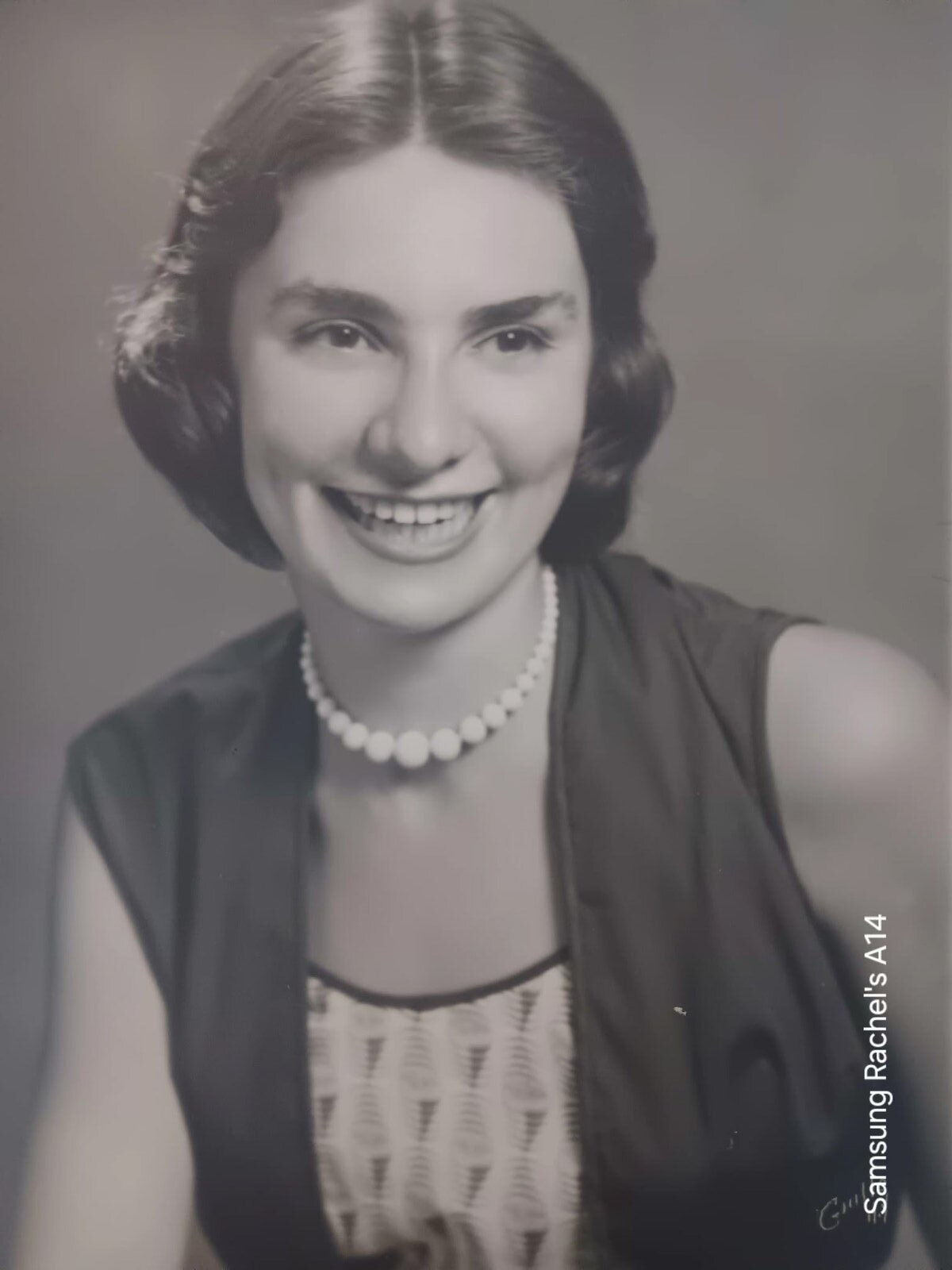
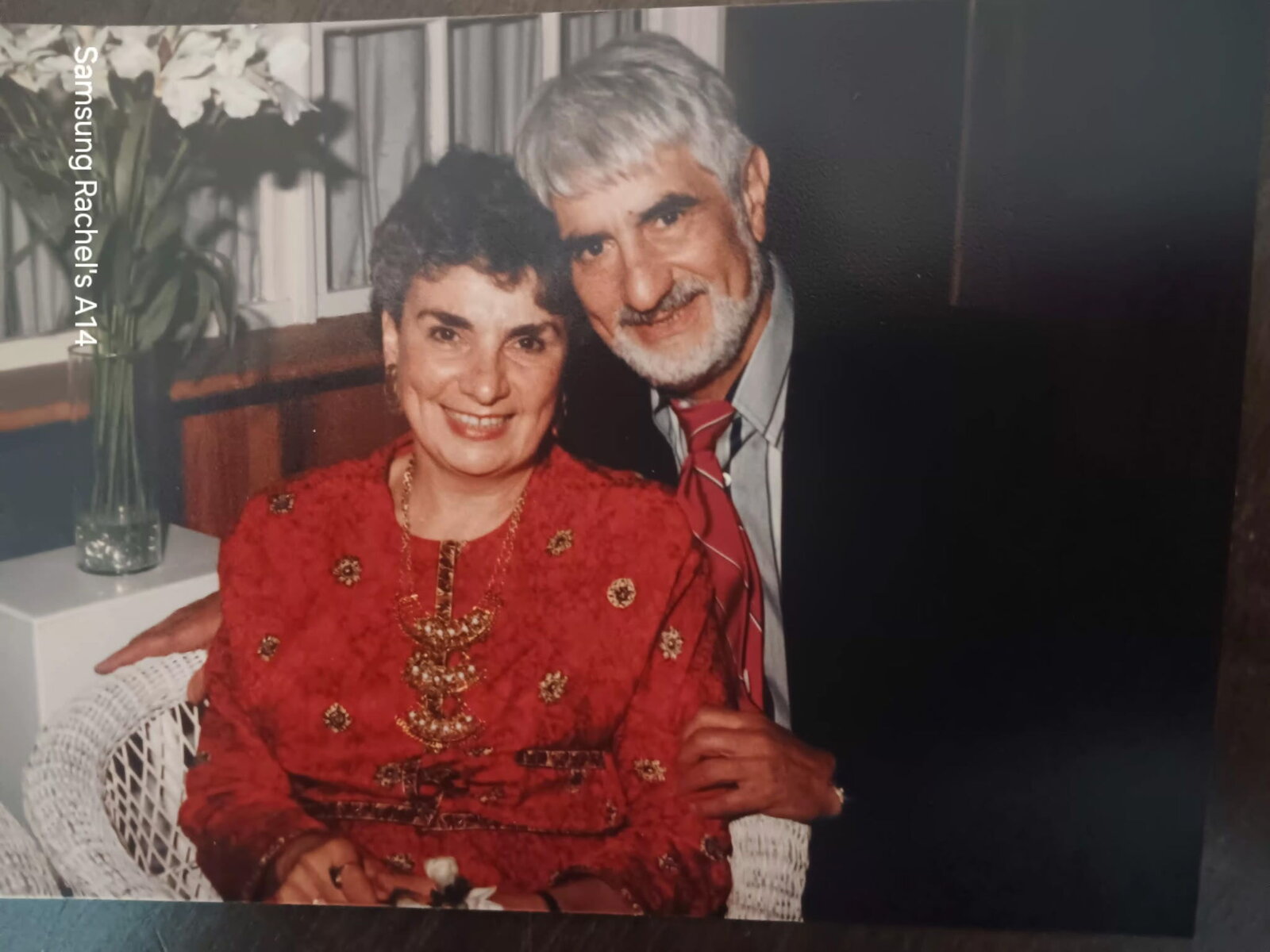
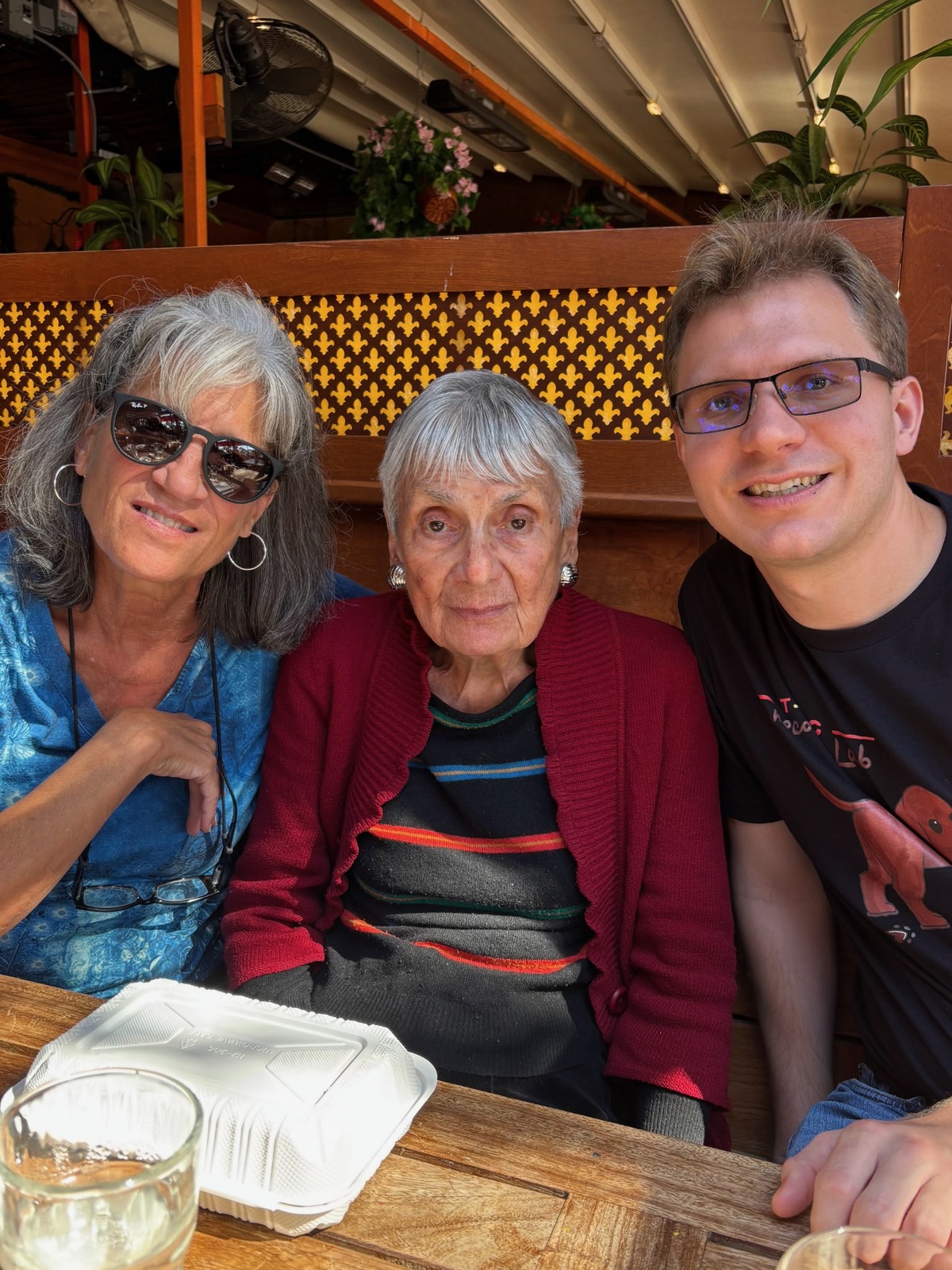
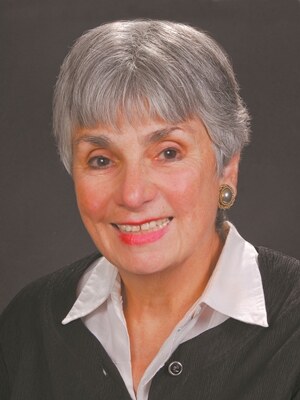
A studio portrait of Toby Carliner Sanchez, smiling, with short silver hair.

Her life

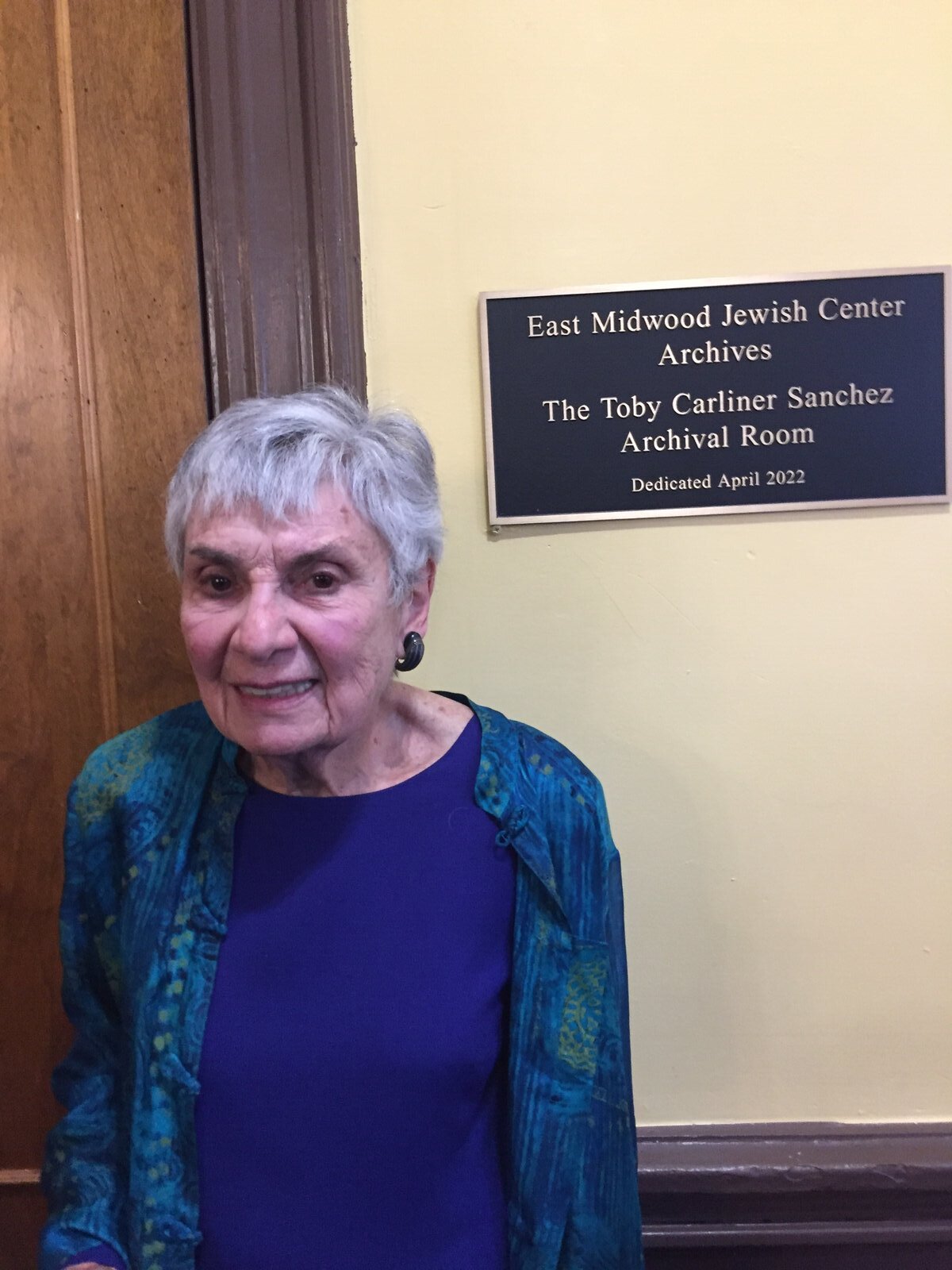
Toby spent her last years cataloguing the history of her synagogue — naming, dating, and preserving the record of a community so that no one in it would be forgotten. In 2022 they named the archive room after her. This page is made in that same spirit: a careful record of one life, kept with care.

He was a very sweet, kind person. He never complained and never said mean things about other people.

On her son Soren · 1964–1990

I did not remember the words, but I started to cry as I realized I had deprived my children of close connections to one of the world’s great civilizations.

On hearing “Etz Chaim” sung again · 1973

No one to remember her… Then I remembered that she left us something very precious.

On her aunt Clara, a forgotten person

A life

Ninety-two years

Toby Pearl Carliner Sanchez was born on January 3, 1934, in St. Louis, Missouri, to Lillian Friedman and Louis Carliner. “She was a year late,” her mother used to say. “She was due in December 1933, but arrived in 1934.” Toby’s parents divorced when she was only 9 months old. She was raised by her mother, her grandmother, Rose, her Aunt Eva, and Uncle Babe. Their children, Jay and Marcia, were more like siblings than cousins.

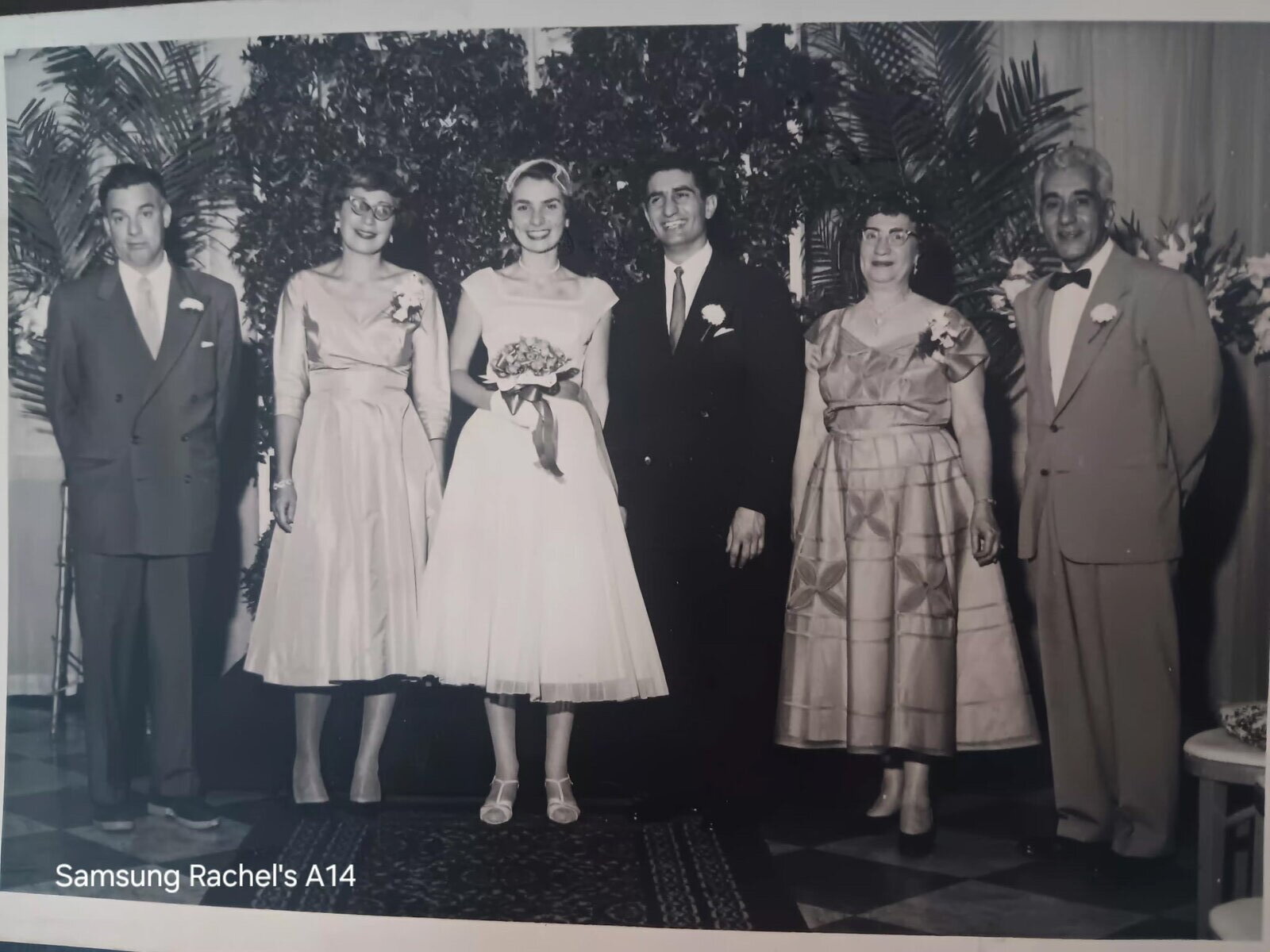
Since her mother, Lillian, was one of the few women in the book business, she often had to relocate in search of better opportunities. Lillian and Toby moved to New York City in 1950, where she attended Washington Irving High School and continued her education at City College. Shortly before she graduated magna cum laude, she attended a Christmas Party where she met Ramon Sanchez. “It was love at first sight,” she said. The couple married in 1954 and moved to Astoria, Queens.

Ray’s career as a professor of education allowed him to teach in various places, the most notable being the University of Puerto Rico. Since she was always adept at languages, Toby learned Spanish almost overnight and started the League of Women Voters. By then, Toby had two young children with one more on the way. Although her son, Soren, was born with a congenital heart problem in 1964, Toby believed that it was the innovative techniques of a cardiologist in Puerto Rico that saved his life as an infant and allowed him to live for 26 years.

In 1965, the family returned to the United States and moved to New Jersey. A few years later, they moved to the Bronx. In addition to being a homemaker, Toby got involved in the League of Women Voters and became the assistant den mother for the Girl Scouts. In 1973, the family moved to Glenwood Road in Midwood, Brooklyn, an area that reminded Toby of her home in St. Louis. It was in Brooklyn that she rekindled her Jewish faith. She joined Progressive Shaare Zedek and encouraged both of her sons to have bar mitzvahs. In addition to having her own garden in the backyard, Toby helped to establish a community garden on East 21st Street and Avenue H, which has moved to the grounds of Brooklyn College.

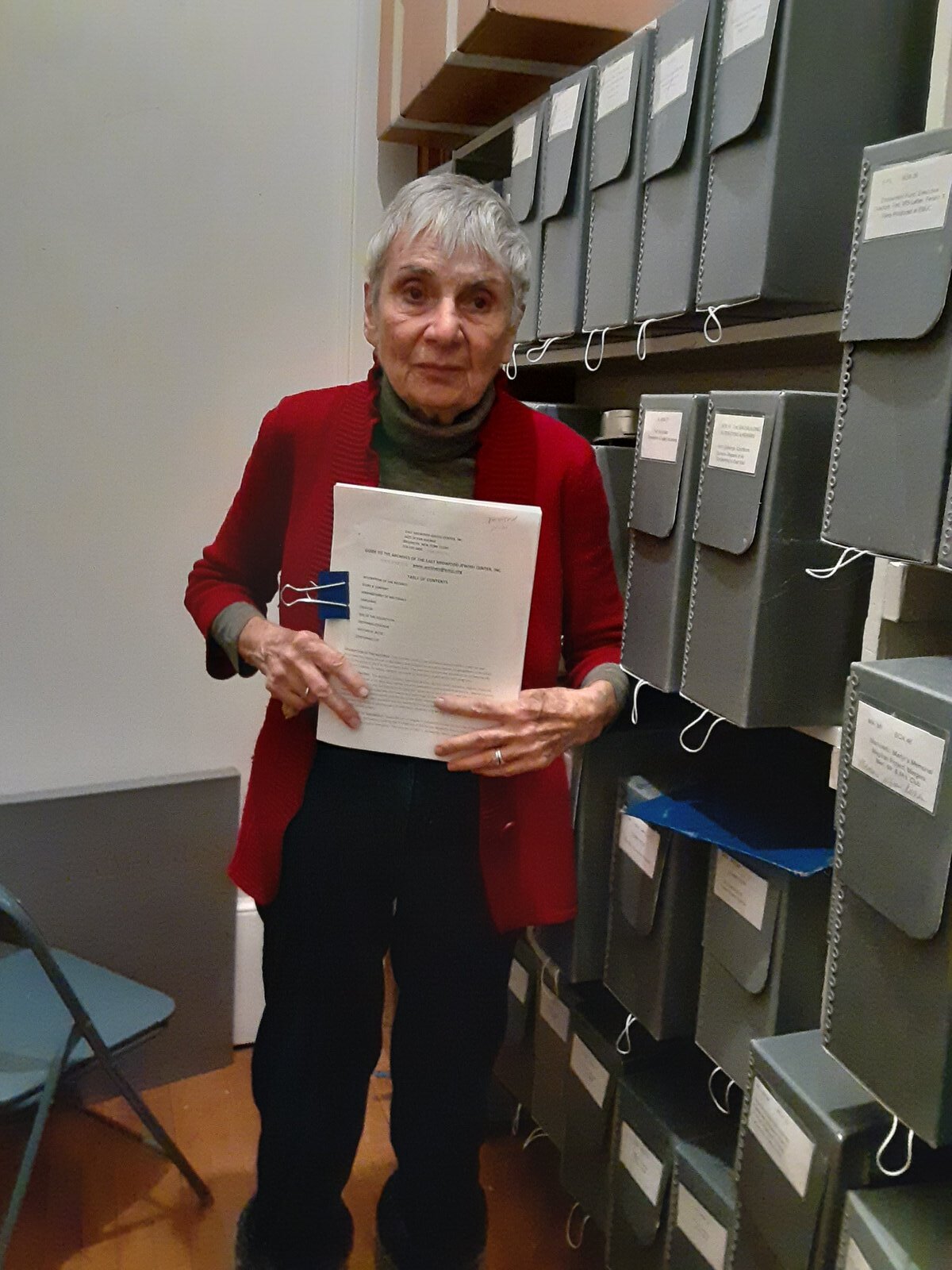
In 2007, Toby and Ray decided to sell their home on Glenwood Road and purchase an apartment on East 26th Street. Unfortunately, Ray passed away a few months later. Although Toby was devastated, she did not want to stop her studies in Library Science at Queens College. After she earned her master’s degree, she became East Midwood Jewish Center’s archivist. She helped to assemble the synagogue’s history since 1924 and was honored with an archival room bearing her name.

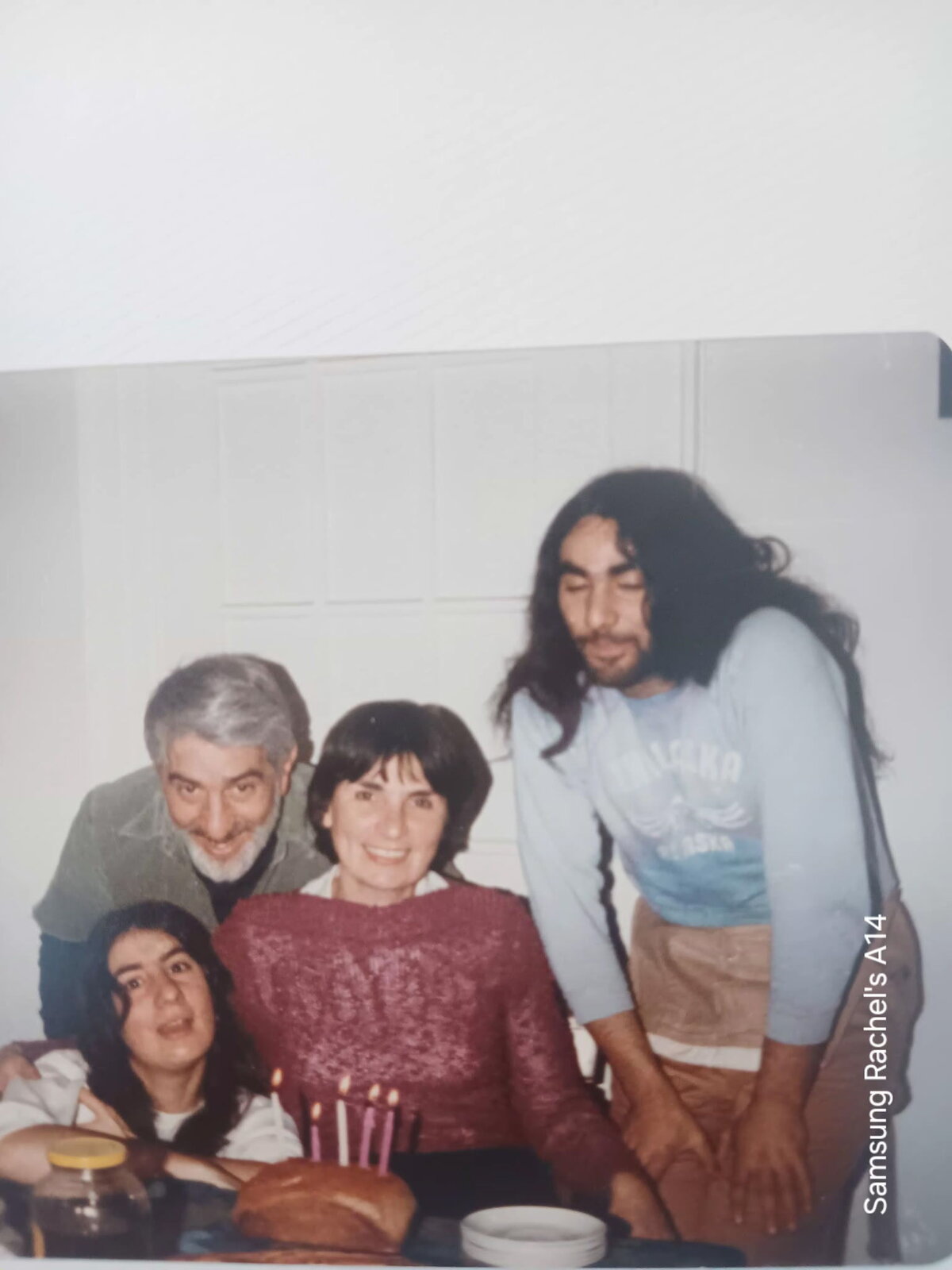
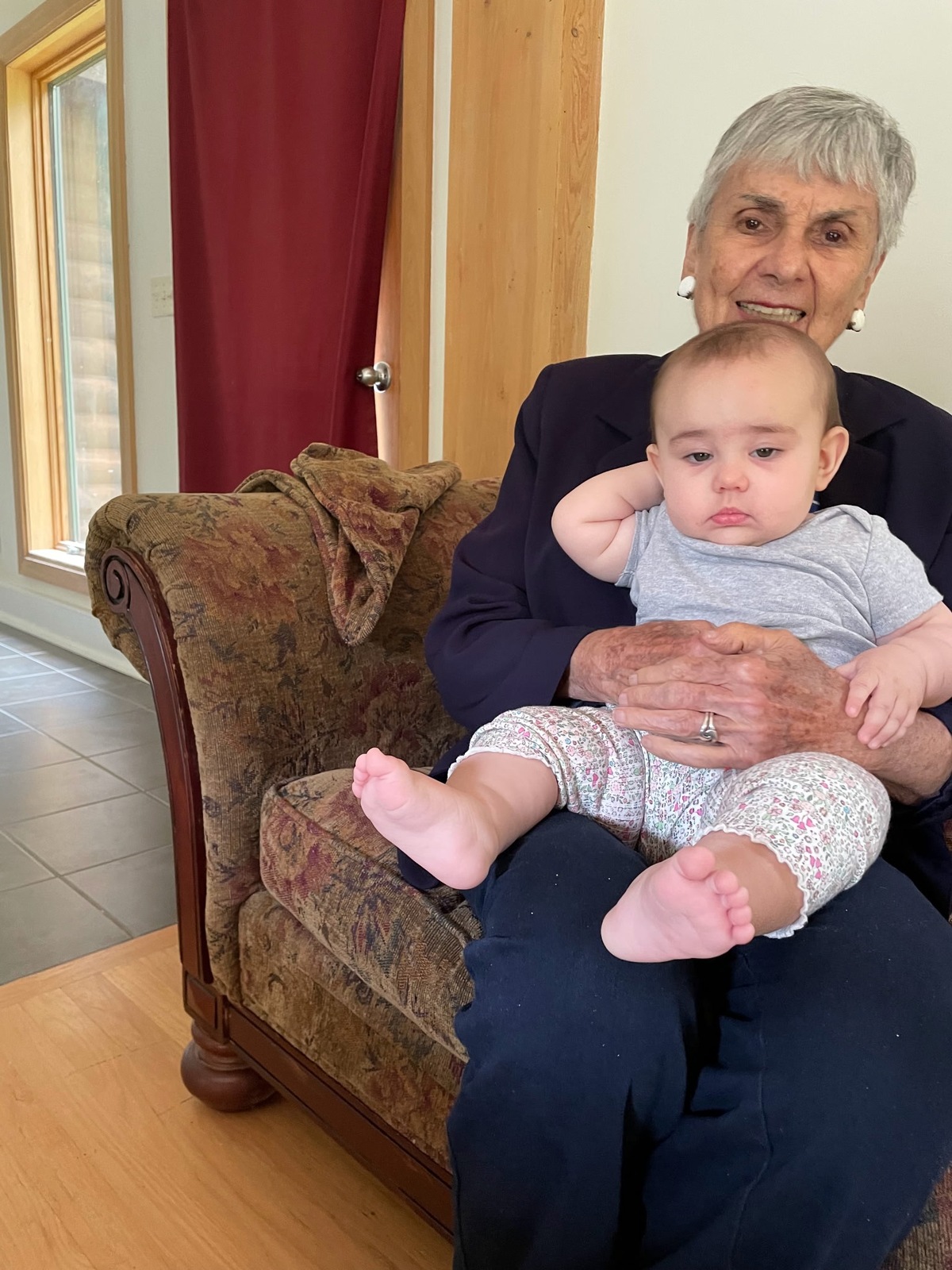
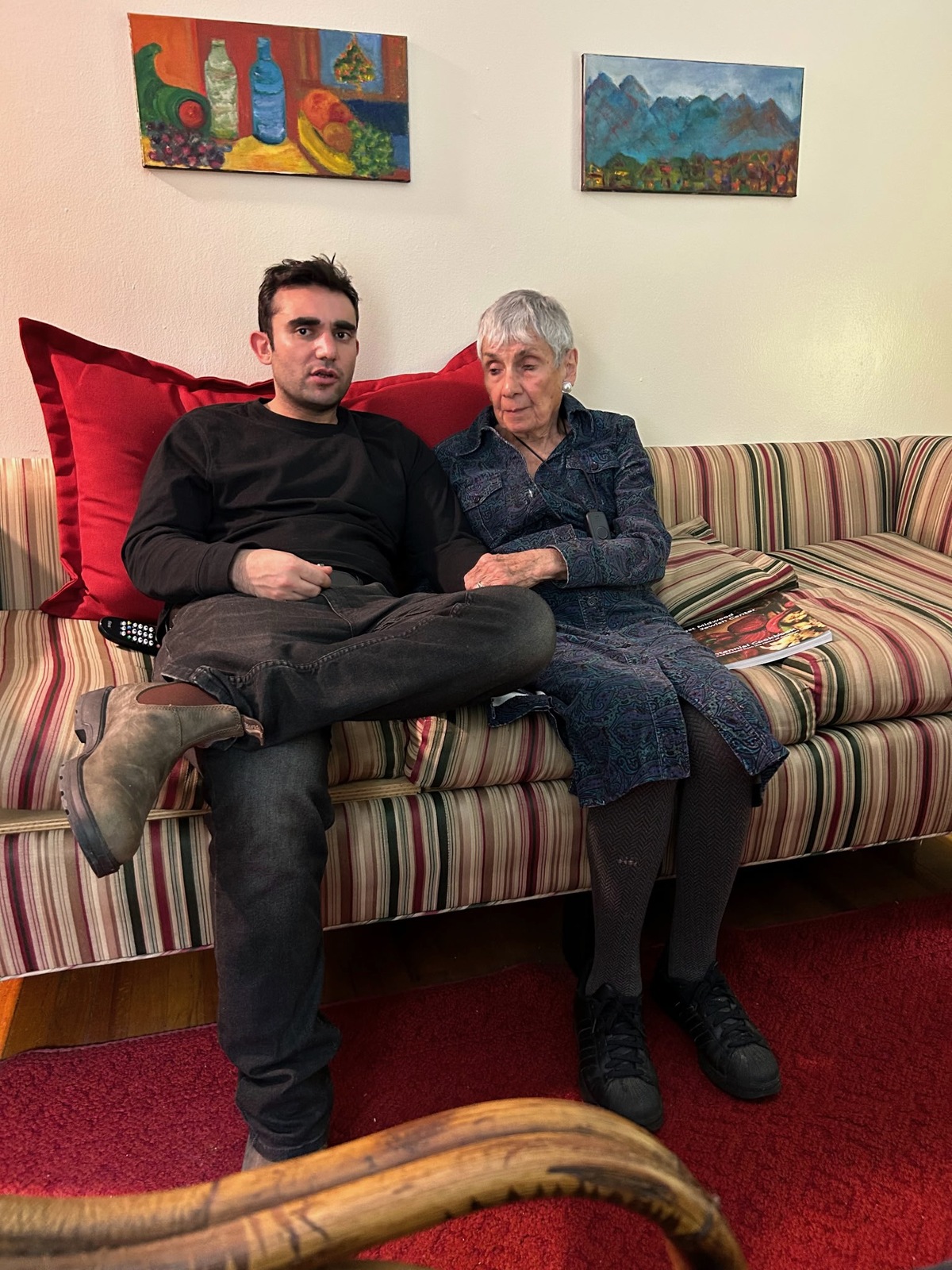
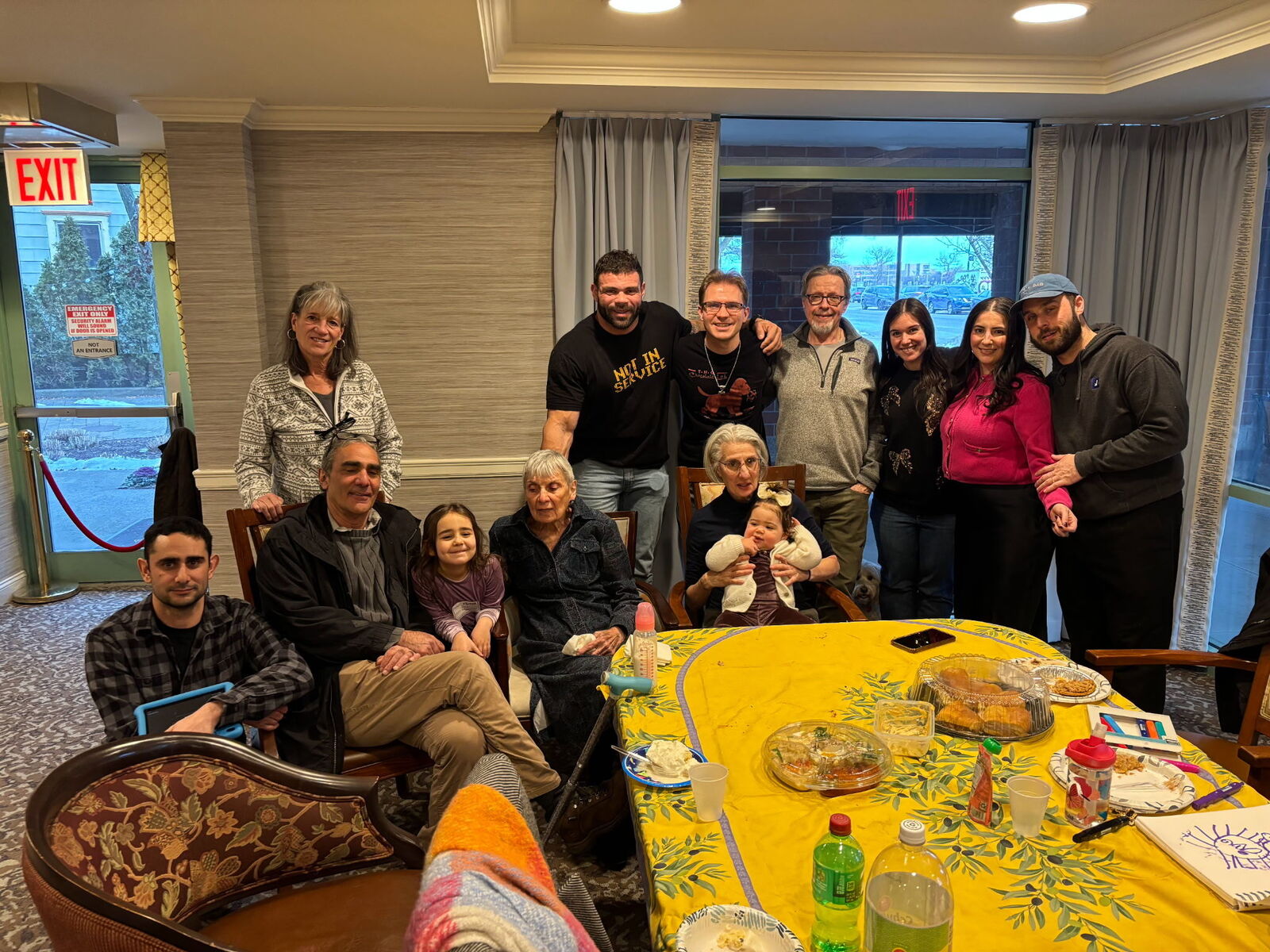
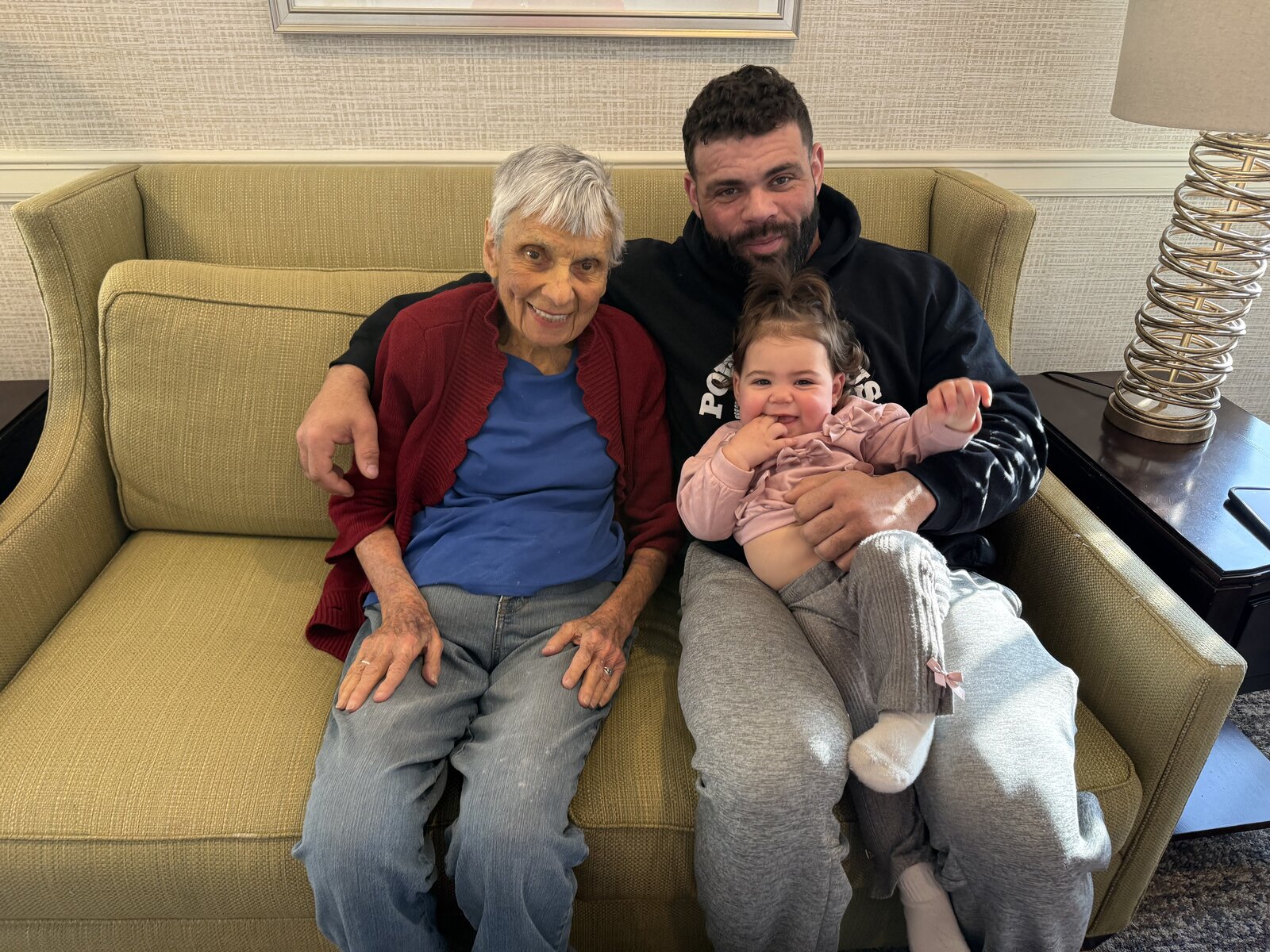
Towards the end of her life, Toby moved to 3320 Avenue H and remained involved in her synagogue, read plays at the New York Public Library at Grand Army Plaza, schlepped to New York City when she shouldn’t have, and visited with her children, grandchildren, and great-grandchildren. Her favorite time of year was her birthday, which brought her family together.

In 2024, she moved to Sunrise Senior Living at Sheepshead Bay and remained there until the time of her death in 2026.

Toby will always be remembered for her strength, her determination, and her firm belief that people are basically good.

Obituary

Toby Carliner Sanchez died on March 28, 2026, in Brooklyn, New York. She was 92. Besides raising a family with her late husband Ramon Sanchez, Toby built an expansive career as an administrator, fundraiser and archivist for nonprofits and community organizations in New York, and served as president of the East Midwood Jewish Center. Born in St. Louis, Missouri, she was raised by her single mother, Lillian Friedman, an executive in the book business. She is survived by her daughter Rachel and her son Joseph, five grandchildren and four great-grandchildren. She was predeceased by her husband in 2007 and their beloved son, Soren, in 1990. Toby also leaves behind a grateful community of friends and colleagues across New York City and beyond.

Published by The New York Times on April 26, 2026.

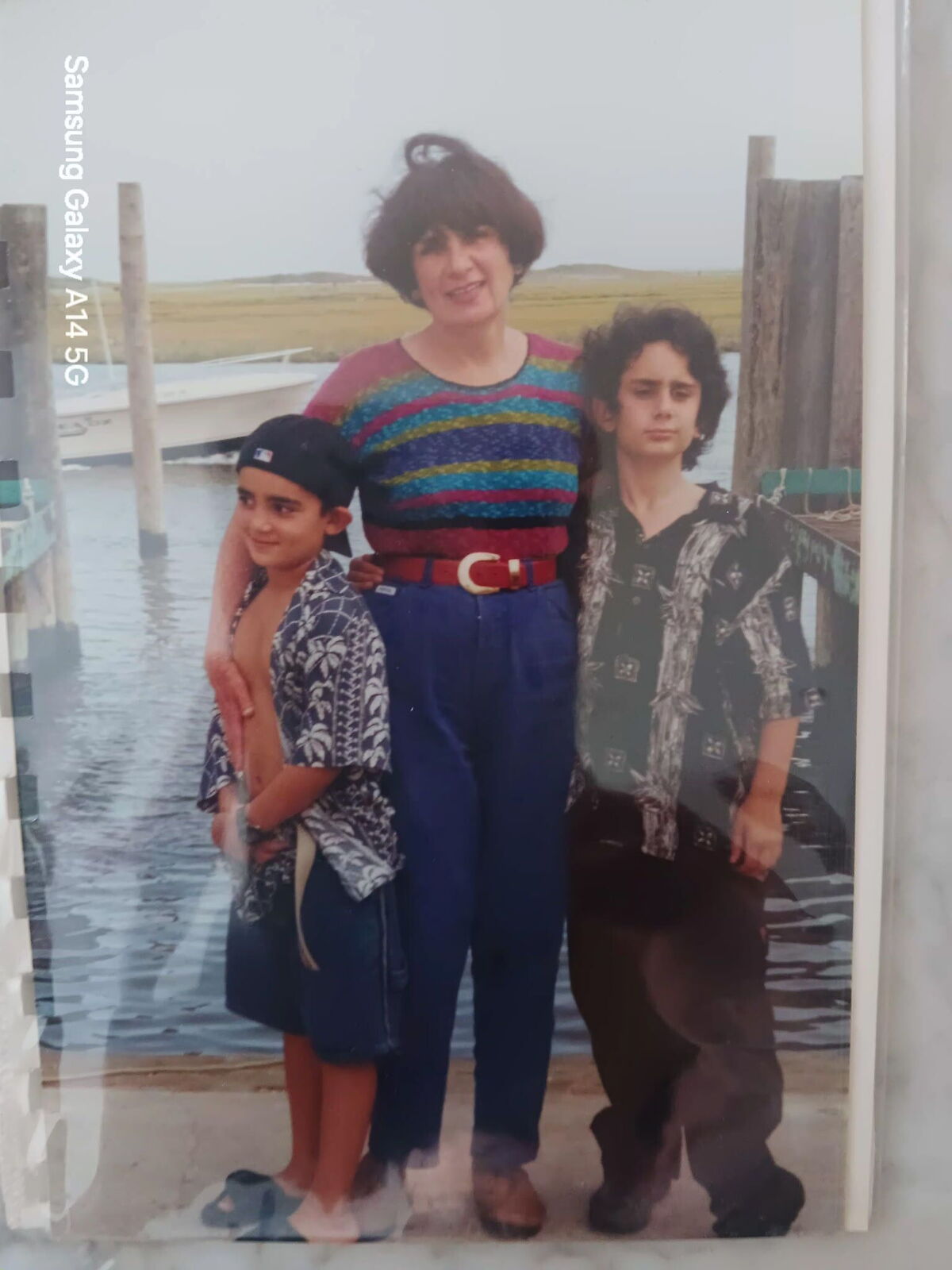
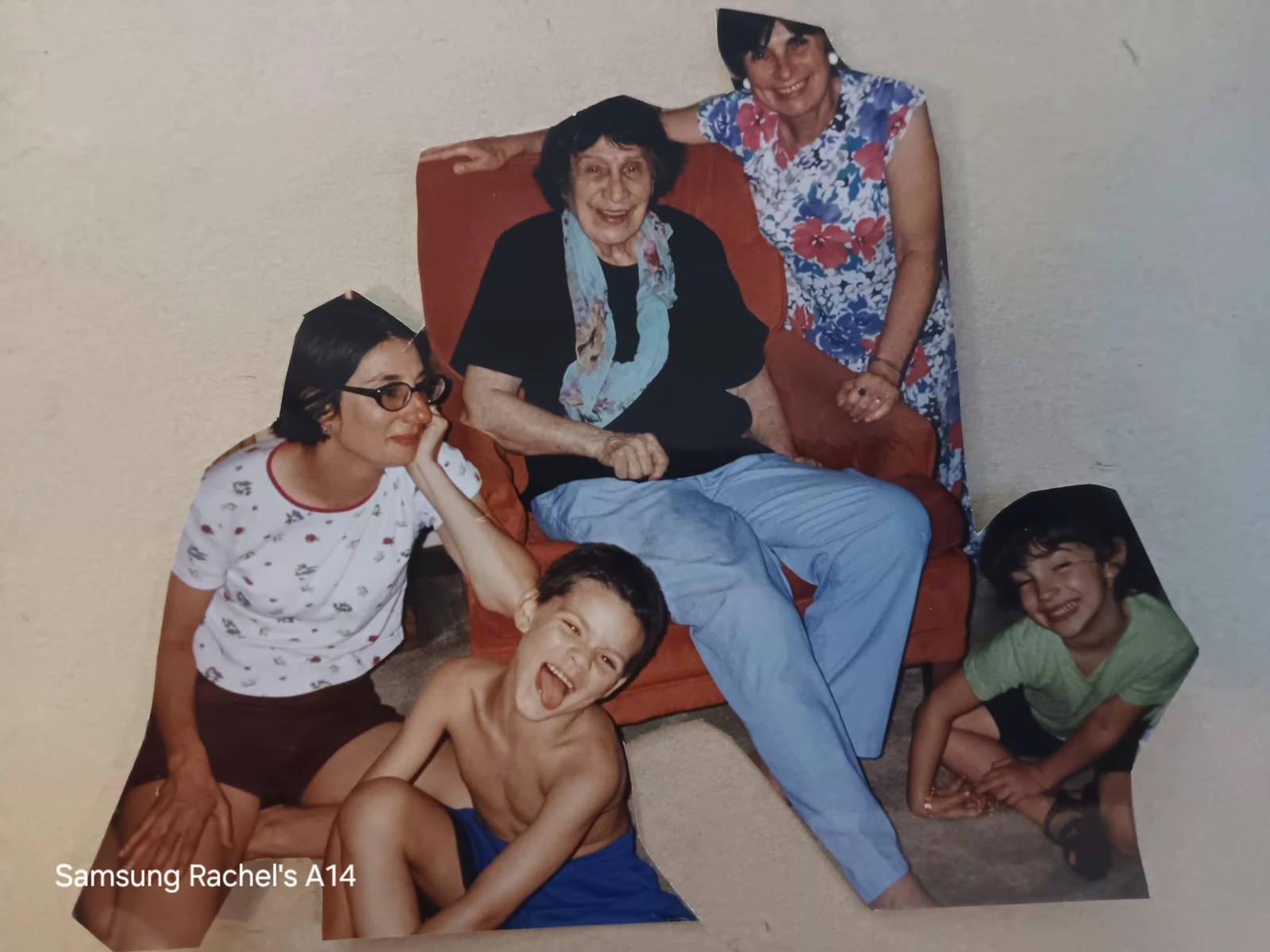
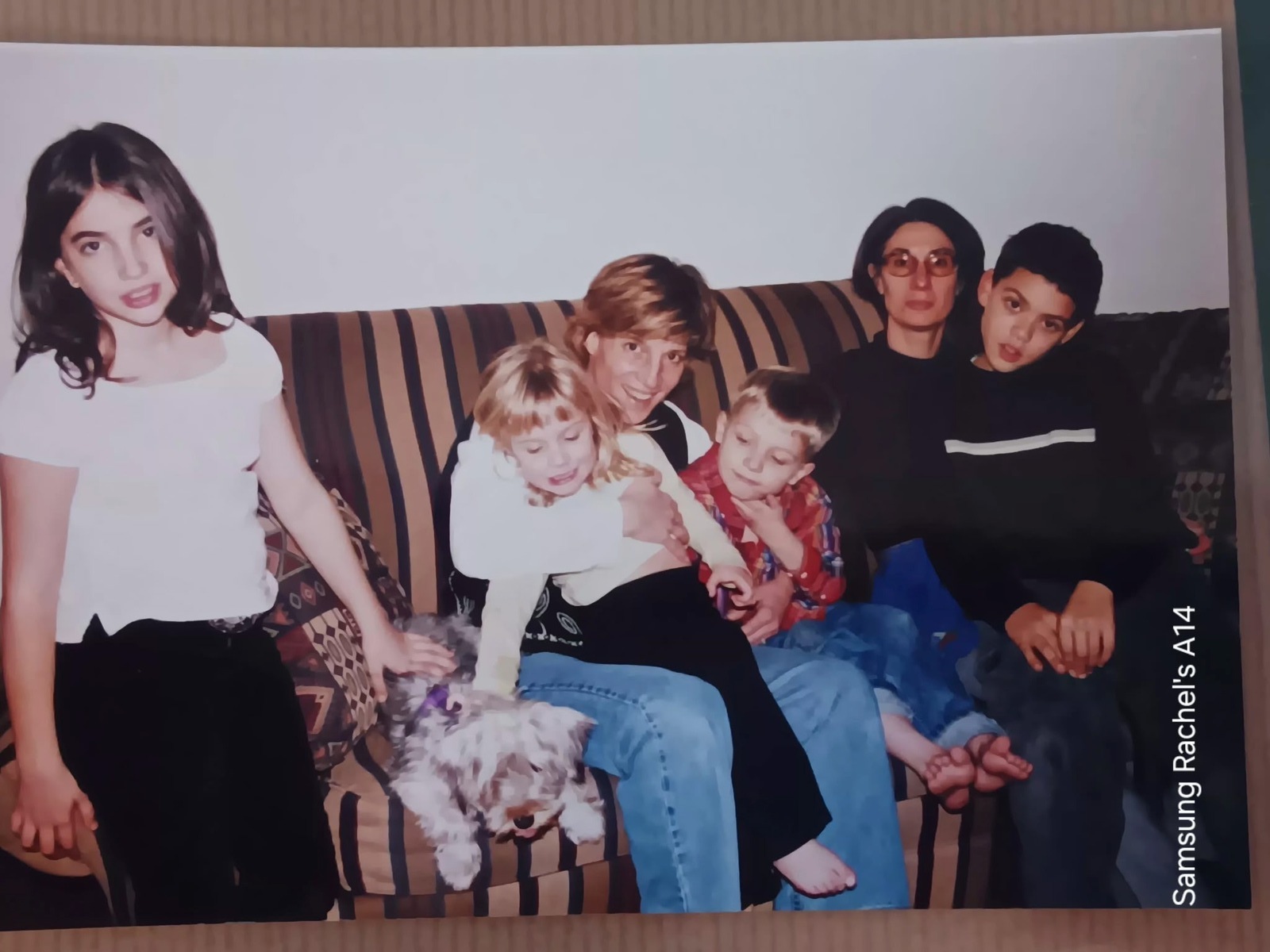
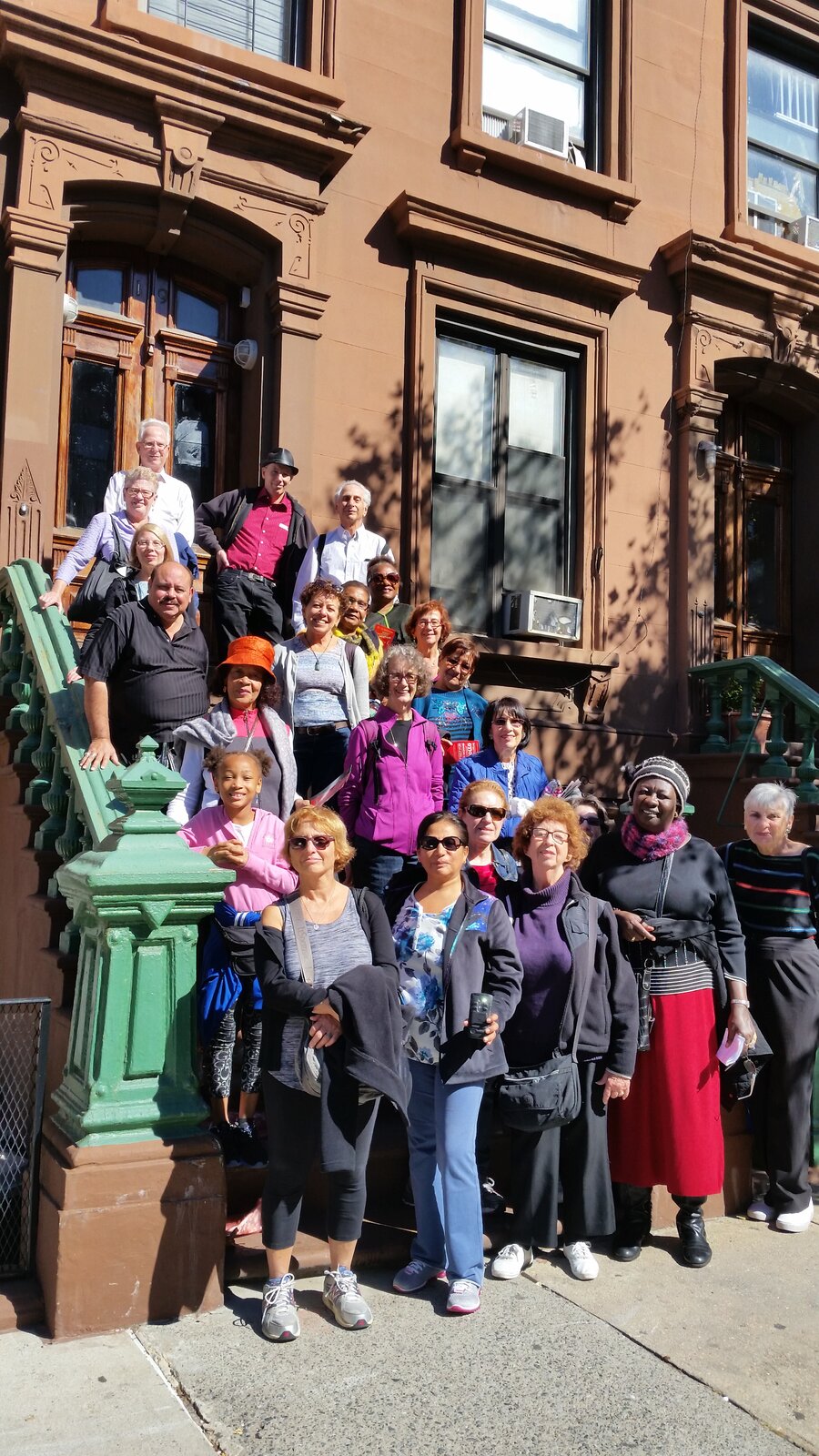
Photographs

A family album

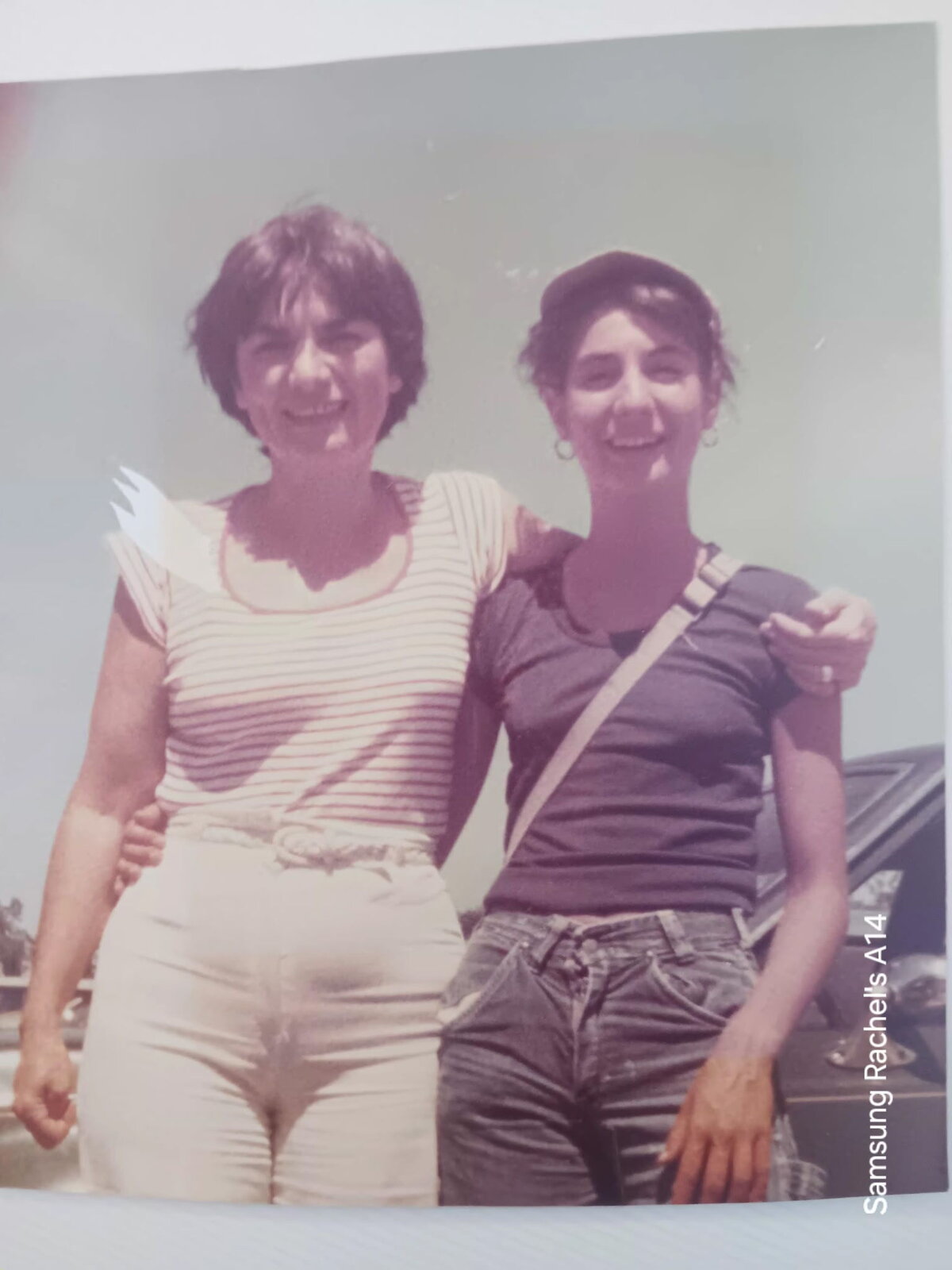
Her photographs and her own writing, woven together. Her spelling is kept exactly as she left it — it is part of her voice.

A note on this page

She archived others. This archives her.

For years Toby gathered, sorted, named, and dated the records of her community so that its people would be remembered. This page was built from her own files — her essays, her letters, her photographs — organized the way she would have wanted: classified, dated, and kept with care.

Add to this page

If you have a photograph or a memory of Toby

Family, friends, and members of her community are invited to contribute. Photos, letters, stories — anything you’d like to see preserved here. Please reach out to her daughter, Rachel Sanchez:

Write to Rachel Sanchez →

Remembrance

Rabbi Sam Levine

March 30, 2026

It is traditional not to recite hespedim/eulogies in the month of Nisan. So we’ll call this a remembrance – a remembrance of a remarkable woman.

In just a couple of nights, many of us will be sitting around a table with family and friends to celebrate Passover. Of course, the main part of the Passover seder is the maggid section, which tells the story of the exodus. That, and eating matzah, are the two mitzvot associated with Passover that are commanded in the Torah. Tellingly, the maggid section begins with Ha Lachma, where we uncover the matzah that we have just broken, lift it up, and recite:

Ha Lachma anya
di achalu a-VA-ha-ta-na
be-ar’ah d’mitzrayim.
Kol dichfin yetei veyeichol, kol ditzrich yetei veyifsach…

This is the bread of poverty, the bread of affliction
That our ancestors ate in the land of Mitzrayim/Egypt
All those who are hungry let them enter and eat,
All who are in need let them enter and celebrate Passover.

With this simple formula, the sages communicated the idea that the Passover seder was not just about gathering and remembering something that happened once to our ancestors. By stating, at the outset, that those who are hungry should be fed, and that those who are in need should be tended to, as we hold in our hands a broken piece of matzah, they were acknowledging the brokenness of the world and the role that each one of us has in fixing it.

Many of us see it: we know how broken the world is. We read the newspaper, we fret over it. We shake our heads. Maybe we send money to an organization that helps in some way.

Well, Toby read the newspaper too. She read the NYT, every day, all of it (I know how painful it was for Rachel to cancel her subscription). And maybe she shook her head at the state of the world, but she didn’t fret. What she did was, she got off her tuches and changed it. She worked her whole life to make things better – for individuals, for groups of people, for organizations. She was that rare person who was driven by a desire to see a better world; who hated injustice, and unfairness, and prejudice; who believed in the voice of the people and in the voices of people. In a 2014 article in the Brooklyn Reporter, Toby is quoted as saying, “Often people see a problem, complain about it and do nothing. That doesn’t solve the problem.” That’s Toby: tell it like it is. Nothing but straight talk.

I saw Toby several times over the last few weeks. When I went to visit her in the emergency room at Maimonides, I had a classic Toby experience that all of us could imagine. When I arrived in the extraordinarily overcrowded ER, Toby was asleep on a bed in the middle of the floor, part of a makeshift row of beds. I wasn’t sure whether I should wake her or not but when I called Rachel, she assured me that I should. I gently shook her leg, her eyes popped open, and she said, “Oh Sam! Come – let’s go somewhere quieter because it’s hard for me to hear in here,” and she jumped out of the bed and led the way, shuffling along to a couple of chairs in a quieter corridor.

I talked to her about her life. She was raised by a single mom – her dad disappeared early in her childhood. Her mother was a very strong, brilliant, and capable woman. Toby repeated the story several times of how her mother was running the book department in a department store in St. Louis and got into a disagreement with a new manager who wanted to move her busy, first-floor department up to the sixth floor (or was it the seventh?) where she told him no one would ever buy a book again. Her opinion got her fired, but it was fortuitous: she ended up taking a job at Brentano’s, moving her little family to New York, and moved up in that company to become the main buyer and, as Toby tells it, a vice president. Toby’s childhood sounded difficult, with a mother who was so busy all the time trying to make money to raise her and support her own mother. But Toby was also surrounded by loving family, aunts and uncles, and most particularly her beloved grandmother, who introduced her to, and taught her a love of shul/synagogue and of yiddishkeit.

The strong Carliner-woman gene passed down into Toby. Not a warm, fuzzy kind of person on the outside, the heart was all gold. Always with the intent of improving herself, improving her own life, and the lives of others, she looked for deficits and tried to turn them into surpluses. Toby told me (I have notes)

I was the Exec. Dir of a local development corporation – Junction College Development Corporation – I tried to promote the neighborhood as a good place to shop. I did lots of different things – that’s what I like doing – I wanted to know how the world worked – I didn’t want to focus on any one thing. So I worked for this kind of organization that kind of organization. I worked for a housing group association for neighborhood housing developers; I started a newsletter so we could keep everybody informed – I was always doing different things, but I didn’t focus on being a star – I always wanted to know how this works and how that works.

It was this curiosity about the world mixed with the desire to help people that was her real super-power. Toby helped Ramon with his PhD and the articles that he published, using her natural ability as an editor to help move his career forward. She sat on Community Board 14, volunteering her time to the community. Once she and Ramon decided that they would move to Puerto Rico, she learned Spanish (almost overnight, seemingly), and once there, started a chapter of the League of Women Voters. She would buy and collect clothing and Christmas presents and other things for some sharecroppers in Mississippi that she had read about in an article one time, and then took the family to visit them. While living in Harlem, she sat on the Board of Directors of some East Harlem organization (she would come home late at night sometimes after the monthly meeting, with Ramon worried sick. “I’m fine” she would declare. Nothing really scared her). She and Ramon established the community garden on the grounds of Brooklyn College, a beloved spot that is still there today. She volunteered at a battered women’s shelter, sleeping there a couple of times a month. She was the co-head of the Girl Scout troop that Rachel was in. She was the editor of Dorot, the quarterly journal of the Jewish genealogical society. She worked on election integrity. She took her kids to anti-Vietnam War protests and civil rights marches. She worked for organizations with names like “helping other people,” “Brooklyn in touch,” and “the community service society.” And of course, so important to so many in this room, she was a president of East Midwood Jewish Center, raising a staggering sum of money for the synagogue and performing that role with dignity, wisdom, and humility. She also went back to school to get her master’s degree in library science, at least partly (or maybe entirely) so that she could delve into the world of archiving, becoming the invaluable and tireless archivist of the EMJC. And. so. much. more. She was also an extraordinarily generous giver. Joe told me that when the mail came in, it was a pile as thick as a phone book, almost all from charities – “Thank you for your donation…” To quote Toby, again from the article, “It can take away a lot of family time.” You can get obsessed, it can really go to your head, but it’s best to stay grounded.”

Toby’s love of yiddishkeit was rekindled when she came to Brooklyn. She attended services at Progressive Synagogue Shaarei Tzedek (which eventually merged with EMJC), saw to it that Joe and Soren became BM there, but always regretted not pushing the children to learn more about that aspect of their heritage. She had such fond memories of her own Jewish upbringing, with her grandmother, of Camp Modin in Maine, where her mother sent her for a few years, as long as she could afford the forbidding $375 price tag. She remembered that on Shabbat, the campers wore white, and as they walked to the Shabbes dinner table, they would be serenaded by two girls singing Lecha Dodi. It had such an impact on her. After she married Ramon, she mostly left all of that behind, even though Ramon was very supportive. I think he sensed how important it was to her, but for her own complicated reasons, she set it aside. Until finally, as she told me, she went to a service, and heard the Cantor singing Eitz Chayim – it stirred something in her, and made her cry. She felt a hole in her life, and set about trying to fill it. That’s what brought her back. Her devotion to East Midwood Jewish Center is legendary, as is her energizer-bunny-like energy. Until only a few weeks ago, with my back to the door of the sanctuary as I was leading services facing the ark, I could hear the unmistakable clack-clack of her cane as she walked down the aisle to take her seat (Ah, Toby’s here – good…). Greeted by all, revered even (though she wouldn’t like that language), she was an essential fixture of the place. Her absence will be deeply felt.

Toby was a good mom. She was a homemaker by choice. Because her mother was never home, working six days a week, she felt that she wanted to be with the kids. Rachel, you told me that she would help you with your homework every night, from kindergarten to high school, and that you attribute your choice to become a teacher to your upbringing with your mom. She would read to you all every night – saying good night was a big ritual – and she loved taking you to museums, to the botanical gardens, and cultural events. Of course, Soren’s illness, and his eventual passing at 26, impacted the family in significant ways, but she always treated all of you the same, and her devotion to all three of you was divided equally. She was a good daughter, a good wife, a good mother. And what a blessing to live to see grandchildren and great grandchildren.

Toby’s life was not easy. There were struggles in her childhood, her father was absent, she moved around a lot, she lost a child. But when I asked her what message she would want to pass on to her grandchildren, it was “be cheerful – don’t give up. This too will pass.” I think my biggest takeaway from my conversations with Toby was a line that she repeated to me several times over several visits: everything in my life was good.

Bechol dor vador, chayav adam lir’ot et atzmo k’ilu hu yatza miMitzrayim. In every generation, a person is obligated to see themself as if they, themselves, came out of Egypt, we also read in the Passover haggadah. Like the passage about inviting in the poor, the message is that redemption is unfinished – that in each generation, each person has to do their part to carry the redemption forward. Toby saw the world as it was, but also as it ought to be. Her life, so intrinsically Jewish, was part of the ongoing exodus that we are all meant to be part of, and her ma’asim, her deeds, will continue to ripple through the generations.